Practical Nursing Program in PA | Start Your Career at PITC
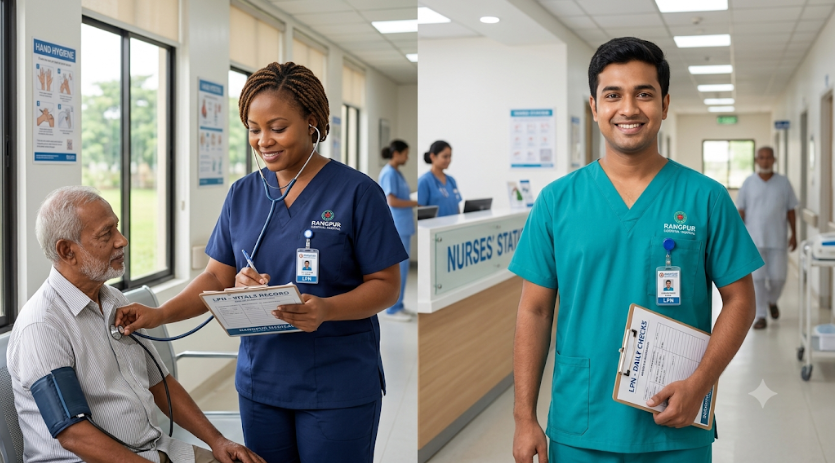
Practical Nursing (PN) Program at PITC : Your Pathway to a Rewarding Healthcare Career Healthcare is one of the fastest-growing and most resilient industries in the United States. At the heart of this vital sector are practical nursing professionals—dedicated individuals who provide essential, hands-on medical care to patients across hospitals, long-term care facilities, home health environments, and outpatient clinics. If you live in the Greater Philadelphia area or Delaware County and aspire to enter the nursing profession, PITC Institute in Upper Darby, Pennsylvania, offers a comprehensive, career-focused Practical Nursing (PN) Program. Designed to transform motivated students into competent, compassionate healthcare providers, our program combines rigorous classroom instruction, modern clinical laboratory simulations, and real-world clinical rotations. Whether you are starting your first professional journey or transitioning into healthcare from another field, PITC Institute provides the academic foundation, practical training, and personal support you need to complete your Practical Nursing (PN) education and prepare for the NCLEX-PN licensure exam. What Is Practical Nursing (PN)? Practical Nursing is a specialized branch of healthcare centered on providing essential bedside care, monitoring patient wellness, and executing medical treatment plans. Practical nurses work closely as part of interdisciplinary healthcare teams under the supervision of Registered Nurses (RNs) and physicians. Key Responsibilities Taught in the PN Program: Monitoring Patient Health: Measuring and recording vital signs, including blood pressure, heart rate, temperature, and respiration levels. Administering Direct Care: Dressing wounds, caring for catheters, inserting IV lines (where certified), and assisting with patient mobility or personal hygiene. Medication Safety: Safely administering oral, topical, and injectable medications according to strict medical orders and dosage calculations. Patient Communication: Listening to patient concerns, educating individuals and their families on care plans, and reporting health changes to supervising medical staff. Maintaining Medical Records: Documenting patient observations, treatments administered, and progress within electronic health record (EHR) systems. Because practical nurses spend a significant amount of time interacting directly with patients, they are often the first to notice subtle changes in a patient’s physical or emotional state—making their education and clinical training indispensable. Why Choose PITC Institute for Your Practical Nursing (PN) Education? Choosing where to pursue your nursing education is one of the most important decisions you will make for your professional career. At PITC Institute, we prioritize high-quality instruction, student accessibility, and academic preparation above all else. 1. Focused Preparation for the NCLEX-PN Exam Graduating with a diploma from our Practical Nursing (PN) program prepares you for the next critical step: taking the National Council Licensure Examination for Practical Nurses (NCLEX-PN) to earn state licensure. Our curriculum is specifically structured to align with NCLEX test blueprints. Throughout the program, you will participate in comprehensive review modules, practice testing, and critical-thinking exercises designed to build your test-taking confidence. 2. Hands-On Clinical Simulation Labs Theoretical knowledge comes to life in our on-campus simulation laboratories. Equipped with modern medical equipment, anatomical models, and patient simulators, PITC Institute’s labs provide a safe, supportive environment to practice core nursing procedures—such as checking vitals, sterile wound dressing, and physical assessments—before stepping into actual clinical facilities. 3. Real-World Clinical Rotations To bridge the gap between classroom learning and practical healthcare delivery, PITC Institute partners with local hospitals, rehabilitation centers, nursing homes, and outpatient clinics across Pennsylvania. During your clinical rotations, you will practice under the guidance of experienced clinical instructors, building essential bedside skills and professional confidence. 4. Flexible Class Schedules (Day & Evening Options) We understand that many of our students balance family responsibilities, jobs, and other life commitments. To accommodate your busy schedule, PITC Institute offers flexible enrollment options for the Practical Nursing (PN) program, including Full-Time Day classes and Part-Time Evening classes. 5. Experienced Faculty and Small Class Sizes Our faculty consists of registered nurses, nurse educators, and clinical specialists who bring years of real-world healthcare experience into the classroom. With manageable student-to-instructor ratios, you receive individualized attention, mentorship, and academic support throughout your studies. Comprehensive Practical Nursing (PN) Curriculum The Practical Nursing curriculum at PITC Institute is meticulously designed to cover the core biological sciences, nursing principles, and specialized clinical disciplines necessary for modern healthcare practice. Core Coursework Highlights: 1. Anatomy and Physiology Understanding how the human body functions is the foundation of all medical care. This course covers the major organ systems, cellular biology, metabolic processes, and anatomical structures, giving students a clear understanding of health and disease states. 2. Fundamentals of Nursing Students learn the foundational concepts of nursing care, including infection control, patient safety protocols, physical assessment techniques, vital signs measurement, and ethical principles in healthcare delivery. 3. Maternal and Pediatric Nursing This course covers healthcare for women during pregnancy, childbirth, and postpartum recovery, as well as specialized nursing principles for pediatric patients from infancy through adolescence. 6. Mental Health and Psychiatric Nursing Students explore mental health conditions, psychiatric disorders, therapeutic communication techniques, and nursing interventions for individuals experiencing emotional or psychological distress. 7. Leadership and Transition to Practice Preparing students for entry into the healthcare field, this final phase covers professional ethics, workplace delegation, time management, job searching strategies, resume writing, and final NCLEX-PN review. Career Pathways for Practical Nursing Graduates The demand for qualified healthcare professionals in Pennsylvania continues to grow, driven by an aging population, expanded access to healthcare, and a rising need for long-term chronic disease management. Where Do Practical Nursing Graduates Work? Upon completing the PN program at PITC Institute and passing the state licensing exam, graduates can explore diverse healthcare settings, including: Long-Term Care Facilities and Nursing Homes: Providing ongoing care, medication administration, and rehabilitation support to elderly or disabled residents. Hospitals and Acute Care Centers: Assisting healthcare teams in medical-surgical units, emergency departments, or specialized outpatient clinics. Home Health Agencies: Delivering personalized care, wound management, and health monitoring in patients’ private homes. Physician Offices and Urgent Care Clinics: Performing patient intake, measuring vitals, administering vaccines, and assisting with minor outpatient procedures. Rehabilitation Centers: Helping patients recover physical strength and independence following surgeries, strokes, or major accidents. School Health Clinics and Community Centers: Assisting with student
Day & Evening Practical Nursing Classes: August 24, 2026

Why choose PITC Institute? PITC Institute is a career school offering an accredited Practical Nursing program, located in Wyncote, Pennsylvania. This is a Practical Nursing Program where you can earn an Associate in Specialized Technology Degree. After successfully completing the Practical Nursing Program , you are eligible to appear for the Practical Nursing -NCLEX examination. Passing the NCLEX exam will earn you title of Licensed Practical Nurse. PITC Institute? We offer day and evening programs for your convenience. PITC Institute has been in existence since 1998, one of the oldest schools to offer a Practical Nurse program in our region. We have graduated hundreds of students who are now practicing as Practical Nurses in long-term care facilities and hospitals in the greater Philadelphia area. The PITC Institute Practical Nursing program has the distinct advantage of a well-rounded education. This expanded program provides hands on skills in nursing as well as theory. These are highly desirable skills for employers that contribute to the advancements in a nursing career. Financial Aid PITC Institute is approved by the US Department of Education to offer Title IV Funding to qualified students. Our Practical Nursing program is also approved to offer the PA State Grant for continuing education . The program is also combined Pell and PA State Grants, if qualified, may pay for a substantial part of the education at PITC Institute. You can also qualify for Title IV Direct and Subsidized student loan programs . State-of-the-Art facilities PITC Institute has a state-of-the-art facility and labs that provide the experience that prepares the students for a nursing career. As part of the required educational program, we have clinical agreements with a number of long-term care facilities where we send our students for hands-on learning education. We have develop relationships with many facilities over the years that have hired our Practical Nurse and are very satisfied with their education and skills. Long-standing program and accreditation As a school offering a Practical Nurse program for over a decade and a half, we are proud to serve our students with the benefit of highly qualified instructors, and greater experience in teaching critical thinking skills that are so essential for the nursing to think on their feet when required. We are accredited by the Accrediting Bureau of Health Education Schools (ABHES), licensed by the PA Dept of Education, and approved by the PA Board of Nursing. Financial Aid and Tuition Assistance Investing in your education is an investment in your future. PITC Institute believes that financial constraints should not prevent dedicated individuals from pursuing their educational goals. Federal Financial Aid: Financial aid options, including Pell Grants and Federal Direct Student Loans, are available to qualified applicants who complete the Free Application for Federal Student Aid (FAFSA). Payment Plans: Custom tuition payment arrangements may be available to assist students with out-of-pocket costs. Financial Advising: Our experienced financial aid advisors work one-on-one with each student to explain funding options, review eligibility, and build a clear financial plan. Frequently Asked Questions 1. How long does the Practical Nursing (PN) program take to complete? Program duration depends on your selected schedule. Full-Time Day students generally complete the PN program in approximately 12 to 18 months, while Part-Time Evening options extend slightly longer to accommodate working schedules. 2. Is PITC Institute approved by the Pennsylvania State Board of Nursing? Yes, PITC Institute’s Practical Nursing (PN) program is approved by the Pennsylvania State Board of Nursing and licensed by the Pennsylvania State Board of Private Licensed Schools, ensuring our curriculum meets state educational standards. 3. Does PITC Institute grant an LPN license upon graduation? PITC Institute grants Practical Nursing (PN) . After successfully graduating from the PN program, students are eligible to take the state NCLEX-PN examination, which grants the Licensed Practical Nurse (LPN) license upon passing. 4. Can I work while enrolled in the PN program? While many students maintain part-time employment, the nursing curriculum involves intense study and clinical hours. Choosing our Part-Time Evening schedule can help you better manage existing employment commitments. Take the First Step Toward Your Nursing Education Today If you are ready to gain valuable medical skills and build a stable professional foundation in healthcare, PITC Institute is here to support you every step of the way. Explore your potential in our Practical Nursing (PN) Program. Contact our admissions department today to schedule a campus tour, speak with an advisor, or learn about upcoming class start dates. Schedule your admissions Appointment Today and discover how PITC Institute can help you build a successful career in Practical Nursing. .
Practical Nursing Program Hands on Learning For Real World Impact
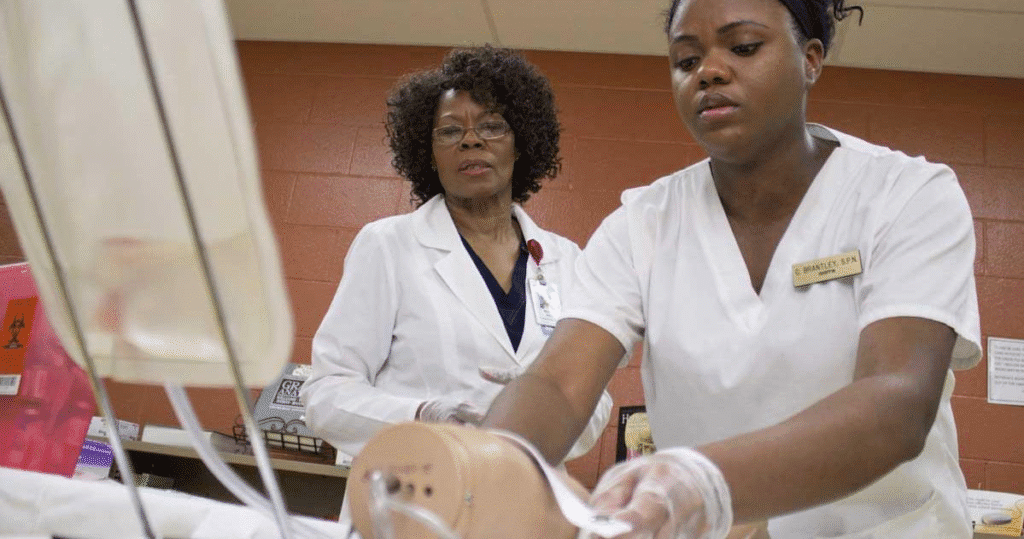
The healthcare industry today continues to seek skilled and caring nurses, leading to an acute need for individuals who can provide quality nursing care.The Practical Nursing Program represents a line of study for persons wishing to develop a nursing career that is an efficient, hands-on approach to obtaining education and experience. This type of program also must create a tie between the advanced classroom theory and the real clinical experience you will gain from the clinical practice, while giving students and aspiring nurses the knowledge, skills and attitude to be competent and confident to make a positive impact on the individual lives of patients. Experiential education is game-changing for preparing nursing students for real life practice in health care. It develops critical thinking, fosters empathy, and develops technical skill. Through simulated labs, monitored clinical experiences, and an interactive curriculum, students develop both the knowledge and the practical skills to thrive in any clinical environment. Building a strong foundation through applied education A vital element of the Practical Nursing Program is its emphasis on creating a solid foundation in the foundational principles of healthcare through applied education. Nursing students are introduced to a variety of essential concepts of nursing, such as anatomy, physiology, pharmacology, and patient care techniques. However, instead of having the student learn entirely in the classroom — the Practical Nursing Program places the classroom elements into practice through clinical experiences. This provides the nursing student with the opportunity to visualize how nursing concepts occur in real-life clinical cases. The collision of knowledge and experience ensures that practical nursing learners develop knowledge and competency. Clinical training The emphasis of the Practical Nursing program is clinical practice which provides the students the opportunity to gain supervised experience in hospitals, long-term care facilities, and other health care settings. By means of practical experience, students will learn about their responsibilities caring for patients, communicating with other health care professionals, and adjusting to the rapid pace of learning in the clinical environment. Greater awareness and understanding of different medical conditions as well as human feelings will result from their experiences with real patients. Developing professional and interpersonal skills The Practical Nursing Program is centered on the development of professional and interpersonal skills. Students are educated to communicate effectively with patients, families and members of the health care team. They are shown how to listen with empathy, provide support, and communicate their message in a way that is uncomplicated and clear. Each of these demonstrates critical communication skills an individual needs to build trust, as well as provide safe, quality nursing care. Professionalism is important in nursing education as students learn the ways in which to work collaboratively on an interprofessional team, develop leadership skills, and think in ethical ways. Students practice professionalism in their work by maintaining confidentiality, recognizing cultural similarities and differences, and advocating for the best interest of the patient. Simulation labs: Preparing for real-world scenarios Simulation laboratories create an experience that reflects a hospital setting and provide nursing students with a safe place to complete nursing skills. Nursing students can perform things such as wound care, catheter insertions, or emergency procedures using simulation scenarios. Simulation training provides an excellent opportunity for nursing students to build muscle memory for procedures they will eventually perform, as well as simulating what it feels like to remain calm, cool, and collected while in a stressful situation. Students are also given an opportunity to be comfortable making mistakes within the practice environment as mistakes are a part of learning. Critical thinking and decision-making in nursing practice The practical nursing program builds upon technical skills and develops critical thinking and good judgment. Nurses make decisions every day that impact patient outcomes. The program offers case studies, problem-based learning, and patient situations that require students to evaluate situations and respond in real time to develop thinking skills. In this way, the process allows students to evaluate symptoms, utilize data, and prioritize care in an efficient way. They will use both logic, empathy, and clinical thinking in every encounter Bridging the gap between education and employment An important advantage of the practical nursing program is that it can link education to employment because graduates are able to enter the workforce as soon as they finish the program. The practical nursing program hybrid model with classroom learning, a clinical placement and simulation labs prepares students in the qualities business is looking for when hiring in health care settings. The program teaches clinical skills and provides an understanding of workplace environments, documentation, and healthcare policies. The lasting impact of hands-on learning Experiential learning enhances nursing students’ attitudes to care deeply while creating a sense of fulfillment and motivation. Seeing the positive impacts of their own care ensures students understand the innate value of their roles. The emotional impact promotes engagement with nursing and enhances ongoing learning and development. Conclusion The practical nursing program prepares students for a rewarding life where they are knowledgeable, caring, and committed to serving others. With a focus on practical learning, graduates will learn and be confident to affect change in practice. Students gain the knowledge and competence to respond to a changing healthcare environment with care and expertise through clinical experiences, simulations and other methods of education.